

Choosing a Coffee and Espresso Machine
If you're looking for an espresso shot to put a spring in your step or simply drinking a cup of filter coffee, you can have both at home. With the right equipment and brewing techniques both can be delicious.
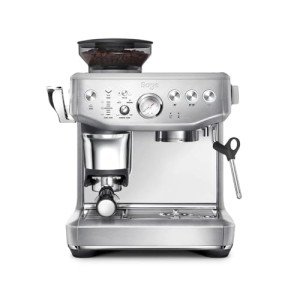
Some machines let you regulate key espresso elements, like water temperature and pressure. Some machines require manual operation from packing the portafilter up to the grounds to.
The right beans to choose
The majority of people, particularly those who haven't fallen down the specialty coffee rabbit hole overlook how important the beans they choose to drink is for their ultimate cup of coffee. This is the reason why so many people choose to upgrade to a machine that makes cups of beans. Selecting the right beans allows for a greater choice of flavors and, with a bit of trial and error, you'll discover the perfect combination.
Espresso machines are designed, in general, to extract the best flavor from dark-roasted beans. The higher extraction pressure (up to 9 bars) and lower temperature of the water that is used for espresso produces an intense, richer flavor profile that is often described as bitter and sweet at the same time. This is a different flavour that you can get with drip or filter brewing techniques.
It's for this reason that roasters often offer specific coffee blends for each method of brewing. They are often referred to as 'espresso' or 'filter' and are designed to make the most use of the espresso machine's capabilities. If the coffee is made up of light and dark roasts typically, it's a mix of both to get the perfect balance. For instance, Stumptown Hair Bender is an espresso blend and filter blend that has been designed to balance body and sweetness.
Freshness is an additional factor when deciding on a specific kind of coffee for a specific method of brewing. The flavor of freshly roasting beans are at their peak and will be the most enjoyable. After the beans are exposed to oxygen and heat during the roasting process, they start to degrade and lose their taste.
Making sure your beans are freshly ground before you begin brewing it is recommended, but if you don't have time or interest in grinding your own beans, you can buy pre-ground coffee from the majority of supermarkets. Make sure you check the date on the bag and ensure the coffee was made roasting within the stipulated timeframe.
Selecting the most suitable machine
A machine that gives you control of crucial factors, like pressure and temperature, is essential when it is time to make espresso. These are the only two ingredients that are used, so it is crucial to ensure they are in order. Imagine it as soup: if you pour too much broth or water in the end result will be watery and thin However, if you only add enough, the bowl will be full of flavor.
Espresso is brewed using high pressure, which facilitates the rapid extraction of sugars and oils from the grounds. It is due to this that it tastes more sweet and more rich than filter coffee. It can also be used as the base for drinks like cappuccinos and flat whites.
If you prefer espresso without sweetness, then you need to use an espresso machine that allows you to brew it with a low pressure. These machines typically achieve a minimum pressure of nine bars.
A filter coffee machine, on the other hand, typically operates under atmospheric pressure, or just one bar. This means that the process is much slower, however it does help to preserve more of the delicate flavours of your selected beans.
The right grind size for your coffee is also important for filter machines. Making a variety of grind sizes will help you find the equilibrium that is suited to your individual tastes. A coarser grind will result in stronger espresso, while a smaller grind makes a lighter drink.
In addition, it is essential to maintain a clean espresso machine in order to achieve the most effective results. This includes keeping the head of the brew clean and eliminating any mineral buildup as soon as it appears. It is also recommended to make sure you use soft or filtered water, because this can reduce the frequency you need to descale your machine.
If you are planning to brew both filter coffee and espresso in the same machine, it's worth looking at a machine from Lelit. They're reasonably priced and provide lots of flexibility in terms of the kinds of coffee you can make.
Getting started
The first thing you'll need is a high-quality grinder. It could take the form of a traditional grinder, however if you want the best results we suggest a conical model. A good grinder will grind beans evenly and adjust the fineness with precise increments. Espresso coffee requires a more fine grind than filter coffee. It's important that you experiment with different sizes of grinds and discover the one that works best for your machine and the taste.
Next, you'll need a good espresso machine. There are a variety of machines, such as semi-automatic, fully automatic and manual. Manual machines require a lever in order to create pressure. They are difficult to master and require a lot of time. Semi-automatic machines allow you to pack the portafilter manually and determine when you'd like to stop taking the shot. This allows you to control the process. However, they are still messy and time-consuming. Fully automated machines can do everything from grinding the beans to pouring the milk to you. However, they are expensive and don't allow for much experimentation.
Recent advances in espresso machines are aimed at giving complete control over pressure, temperature and flow. Baristas have been able achieve the perfect espresso extraction and are now beginning to reap the benefits of this technology for filter brewing. Alessandro from Heylo has developed a module that makes use of induction heating to offer a complete solution that can brew filter coffee at low pressures, by regulating the temperature of the water and regulating the flow rate.
Having the ability to switch seamlessly between filter and espresso from the same machine is perfect for busy cafes. It frees up staff to focus more on customer service and allows them to provide quality filter coffee with the same level of efficiency as they would an espresso. It allows customers to enjoy all the nuances that make Rotate Espresso special without the bitterness that can be experienced from over-extraction.
Getting the most out of your coffee
The right espresso and coffee machine should be chosen based on your preferences and requirements. You can find the perfect coffee by trying different methods of brewing and equipment. This will allow you enjoy your coffee with all the aroma and flavor that it can provide.
Espresso makes use of intense pressure to extract flavor compounds from finely ground coffee over a short time period, whereas filter coffee circulates water through coarsely ground coffee under atmospheric pressure for an extended period of time. The flavors of coffee produced by each method are completely different.
While filter coffee is a beverage that can be used in a variety of ways, it's also important to remember that espresso can be equally delicious and satisfying. Both methods of brewing can be combined to make an exquisite and unique beverage. The key to achieving a great cup of filter coffee is to use high quality freshly roasted and ground beans and to ensure that the temperature of the water is constant throughout the process of brewing.
Another crucial aspect to consider is the filter type used. While paper filters are useful but reusable filters made of metal or cloth are more sustainable for the environment and can be washed and reused. In addition, it is essential to wet the filter before using and to make sure that the coffee grounds are evenly distributed in the cone for brewing. This will ensure a consistent extraction, and also prevent your coffee grounds from blending into the coffee that has been brewed.
The final step in ensuring that you're getting the most out of your espresso and filter coffee machine is to clean and remove the scale from the machine. Regular cleaning will remove mineral deposits that can negatively affect the taste and quality of your coffee. Descaling is typically a simple process that involves mixing vinegar with hot soapy water and pouring it into the reservoir of your coffee maker and espresso machine.
If you're in search of a filter coffee and espresso machine that can provide you with an exceptional cup of coffee every single time, make sure you take a look at the selection available at Majesty Coffee. Our experts are happy to help you find the perfect machine for home or office.